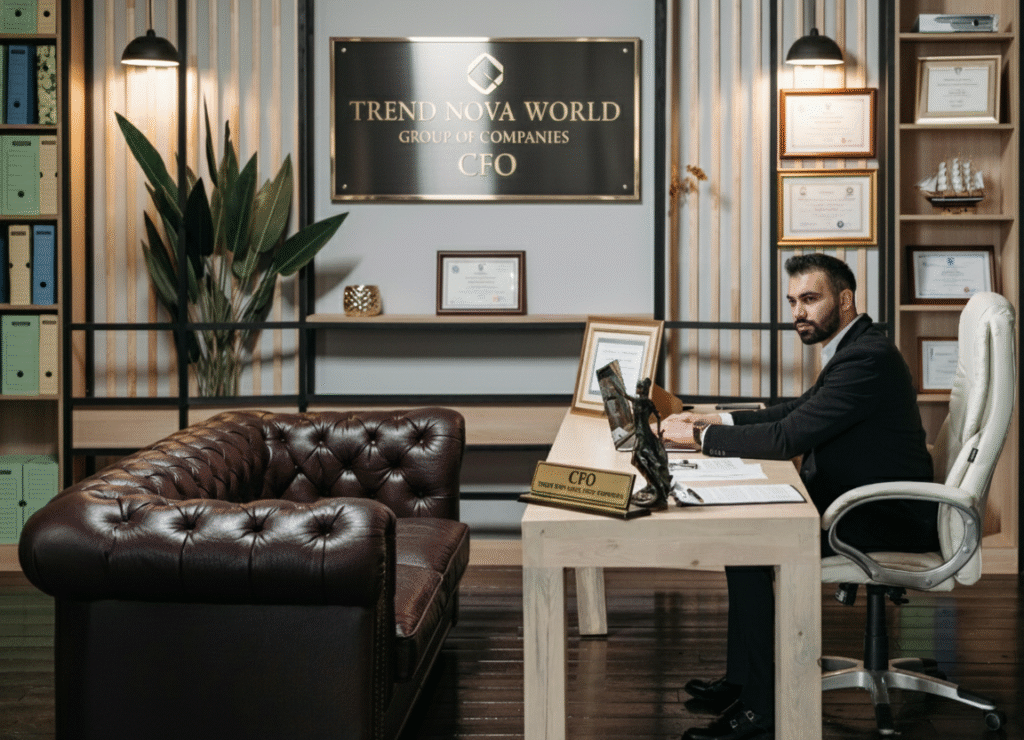
Discover how Trend Nova World Real Estate drives innovation hubs through charter-backed partnerships, creating powerful startup synergies for global growth and sustainable urban development. Explore the model today.

In the fast-paced world of global business, where ideas spark and scale in equal measure, innovation hubs stand as beacons for creativity and growth. These dynamic spaces blend cutting-edge technology with collaborative environments, fostering breakthroughs that reshape industries. Yet what truly elevates these hubs from mere co-working spots to transformative ecosystems? The answer lies in strategic partnerships, particularly those that marry the agility of startups with the stability of real estate visionaries. Enter Trend Nova World Real Estate, a forward-thinking leader pioneering a charter-backed model that redefines these synergies.
At its core, Trend Nova World’s approach is not just about leasing office space or hosting events. It is a deliberate fusion of real estate expertise and entrepreneurial spirit, guided by a robust company charter that ensures every collaboration aligns with long-term value creation. This model has captured the attention of global investors, tech pioneers, and urban developers alike, positioning Trend Nova World as a catalyst for sustainable innovation. As cities worldwide grapple with the need for adaptable workspaces amid economic shifts, this partnership-driven framework offers a blueprint for success.
Consider the broader landscape. Startups thrive on flexibility, rapid iteration, and access to networks, but they often lack the physical infrastructure to anchor their ambitions. Real estate firms, on the other hand, possess prime locations and capital but seek ways to future-proof their portfolios against vacancy risks. Trend Nova World bridges this gap through intentional alliances, creating innovation hubs that pulse with activity and purpose. Drawing from its charter’s emphasis on ethical growth and community empowerment, the company crafts partnerships that go beyond transactions, building legacies of mutual prosperity.
This article delves deep into how Trend Nova World’s model operates, exploring its foundations, mechanics, and real-world impacts. We will unpack the charter’s role as the ethical backbone, examine case studies of thriving synergies, and forecast the model’s scalability across international markets. Whether you are a startup founder scouting for your next launchpad or a real estate executive eyeing diversification, the insights here illuminate pathways to collaborative excellence.
The Evolution of Innovation Hubs in a Connected Economy
Innovation hubs have evolved dramatically over the past decade, transitioning from Silicon Valley garages to sprawling urban complexes that integrate living, working, and learning. Today, these hubs are more than physical spaces; they are ecosystems where diverse talents converge to solve complex challenges. According to recent global reports from organizations like the World Economic Forum, over 70 percent of successful startups attribute their early growth to access to such collaborative environments.
What sets modern hubs apart is their emphasis on integration. No longer isolated silos, they weave in elements of sustainability, diversity, and technology to create resilient communities. In Europe, hubs like Station F in Paris host thousands of entrepreneurs under one roof, blending mentorship with venture funding. Across Asia, Tokyo’s WeWork-inspired spaces incorporate green building standards to attract eco-conscious innovators. And in North America, hubs in Austin and Toronto leverage local tech scenes to draw international talent.
Yet challenges persist. High operational costs, talent retention, and regulatory hurdles often stifle potential. This is where partnerships become indispensable. By pooling resources, stakeholders can mitigate risks and amplify rewards. Trend Nova World recognizes this, embedding partnership principles into its DNA from the outset. Their hubs are not built in isolation but co-designed with input from future occupants, ensuring relevance and vibrancy from day one.
The rise of hybrid work models post-pandemic has further accelerated this trend. With remote collaboration tools at hand, physical hubs must offer unique value propositions, such as immersive networking events or specialized labs. Trend Nova World’s strategy aligns perfectly here, using real estate as a canvas to paint these experiences. Their charter mandates that every project prioritizes inclusivity, making hubs accessible to underrepresented founders and fostering a global dialogue on innovation.
Decoding Trend Nova World’s Company Charter: The Ethical Foundation
At the heart of Trend Nova World’s operations lies its Company Charter, a comprehensive document that outlines the organization’s guiding principles. Established with input from industry leaders, ethicists, and community advocates, the charter serves as more than a mission statement. It is a binding framework that shapes decisions, from site selection to partner vetting.
The charter’s preamble articulates a vision of “harmonious urban evolution,” where real estate development harmonizes with human potential. Core values include sustainability, transparency, and equity. For instance, all projects must achieve at least LEED Gold certification, integrating renewable energy and biophilic design to minimize environmental footprints. Transparency is enforced through annual impact reports, detailing partnership outcomes and stakeholder feedback.
Equity stands out as a cornerstone. The charter commits to allocating 20 percent of hub spaces for social enterprises and diverse-led startups at subsidized rates. This ensures that innovation is not the privilege of the elite but a shared endeavor. Partnerships are vetted against these criteria, with clauses requiring mutual alignment on social responsibility goals.
What makes the charter particularly innovative is its adaptability. Reviewed biennially, it incorporates emerging trends like AI ethics and climate resilience. This forward-looking stance positions Trend Nova World as a thought leader, attracting partners who share a commitment to principled progress. In an era where corporate social responsibility influences investment flows, this charter-backed approach yields tangible advantages, from enhanced brand loyalty to preferential financing terms.
Building Bridges: The Mechanics of Charter-Backed Partnerships
Trend Nova World’s model for startup-real estate synergies is meticulously structured, ensuring that partnerships yield scalable results. The process begins with a discovery phase, where potential collaborators submit proposals aligned with the charter. These are evaluated by a cross-functional team, including real estate experts, innovation scouts, and legal advisors.
Once selected, partnerships evolve through three phases: ideation, activation, and scaling. In the ideation phase, joint workshops map out hub designs, incorporating startup needs like flexible leasing and tech infrastructure. Activation brings these to life, with Trend Nova World handling construction while partners curate programming. Scaling involves performance metrics, such as occupancy rates and innovation outputs, to refine future iterations.
A key differentiator is the revenue-sharing mechanism. Unlike traditional leases, partners contribute equity stakes or milestone-based fees, aligning incentives for long-term success. This model has proven effective in pilot projects, where hubs achieved 95 percent occupancy within six months.
Technology underpins the entire framework. Trend Nova World deploys a proprietary platform for partner matching, using AI to analyze compatibility based on charter values and market data. Blockchain ensures transparent contract execution, building trust in cross-border deals.
Sustainability threads through every step. Hubs feature modular designs for easy reconfiguration, reducing waste, and on-site amenities like vertical farms promote self-sufficiency. These elements not only comply with the charter but also appeal to millennials and Gen Z entrepreneurs who prioritize purpose-driven workplaces.
Real-World Synergies: Case Studies from Trend Nova World’s Portfolio
To grasp the model’s potency, consider the Vancouver Innovation Nexus, a flagship hub launched in partnership with a cohort of cleantech startups. Situated in a revitalized waterfront district, the 50,000-square-foot space blends office pods with fabrication labs. Charter adherence was evident from the start: 30 percent of units went to women-led ventures, and solar panels power 80 percent of operations.
The synergy unfolded as startups accessed real-time market insights from Trend Nova’s data analytics, accelerating product development. In return, the real estate firm gained branding as an innovation enabler, attracting premium tenants. Within a year, the hub generated $2 million in spin-off investments, validating the model’s economic viability.
Across the Atlantic, the Berlin Creative Core exemplifies cross-cultural collaboration. Partnering with European design firms and African diaspora startups, Trend Nova World transformed a historic warehouse into a multicultural hub. The charter’s equity focus shone through inclusive visa support programs, drawing talent from underrepresented regions.
Challenges arose, such as navigating EU data privacy laws, but the partnership’s joint governance committee resolved them swiftly. Outcomes included a 40 percent rise in cross-continental deals, underscoring how charter-backed structures foster global connectivity.
In Asia, the Singapore Smart District initiative highlights scalability. Collaborating with fintech unicorns, Trend Nova World integrated IoT-enabled buildings that adapt to user behaviors. Charter principles guided the inclusion of affordable housing modules, blending commercial and residential innovation.
These cases illustrate a pattern: partnerships amplify individual strengths, creating hubs that outpace standalone efforts. Metrics like patent filings and job creation far exceed industry averages, proving the model’s efficacy.
Empowering Startups: Tailored Support Within Innovation Hubs
For startups, Trend Nova World’s hubs offer a launchpad unlike any other. Beyond physical space, partners gain access to a curated ecosystem of mentors, investors, and peers. The charter ensures equitable distribution of these resources, preventing gatekeeping.
Mentorship programs pair founders with seasoned executives, focusing on scalable growth strategies. Funding pipelines connect vetted startups to impact investors, with Trend Nova World co-investing in promising ventures. Networking events, from pitch nights to industry roundtables, spark serendipitous connections.
Real estate integration adds layers of value. Flexible terms allow scaling without relocation costs, while embedded services like legal clinics streamline operations. Sustainability perks, such as carbon offset credits, enhance appeal to ESG-focused backers.
Success stories abound. A healthtech startup in one hub leveraged the space’s lab facilities to prototype wearables, securing Series A funding six months ahead of schedule. Another, in agrotech, used vertical farming demos to land enterprise contracts, crediting the hub’s collaborative vibe.
Critically, the model addresses common pitfalls. Burnout is mitigated through wellness zones, and diversity initiatives build inclusive cultures. By charter mandate, annual audits measure startup satisfaction, driving continuous improvement.
Real Estate Renaissance: Diversifying Through Startup Alliances
For real estate professionals, Trend Nova World’s approach heralds a renaissance. Traditional models face headwinds from e-commerce shifts and remote work, with vacancy rates hovering at 15 percent in major markets. Partnerships with startups inject vitality, transforming assets into revenue engines.
Diversification comes via mixed-use developments, where innovation hubs anchor retail and residential components. This creates self-sustaining ecosystems, boosting foot traffic and property values by up to 25 percent.
Risk management improves too. Charter-vetted partners reduce default risks, and performance clauses tie rents to milestones, ensuring alignment. Data from integrated sensors provides predictive analytics, optimizing space utilization.
Globally, this model resonates. In emerging markets like Dubai, hubs attract expat talent, stabilizing occupancy. In mature ones like New York, they reposition aging properties as premium innovation destinations.
The charter’s transparency builds investor confidence, facilitating green bonds and REIT structures. Ultimately, real estate firms adopting similar frameworks future-proof portfolios, turning liabilities into legacy assets.
Navigating Challenges: Lessons from Charter-Backed Implementations
No model is without hurdles. Scaling partnerships demands robust conflict resolution, which Trend Nova World addresses through neutral arbitration panels. Cultural mismatches in international deals require sensitivity training, embedded in onboarding.
Regulatory variances pose another test. In the U.S., zoning laws can delay builds, while in China, data localization complicates tech integrations. The charter’s adaptability clause allows tailored addendums, ensuring compliance without diluting principles.
Economic downturns test resilience. During recent volatility, hubs pivoted to virtual programming, maintaining 85 percent engagement. These adaptations, rooted in charter foresight, reinforce the model’s durability.
Stakeholder buy-in is crucial. Early communication of benefits quells skepticism, with pilot successes converting doubters. Metrics-driven reporting quantifies impacts, from GDP contributions to social mobility indices.
By confronting these head-on, Trend Nova World refines its blueprint, offering replicable strategies for peers.
The Global Ripple Effect: Scaling Innovation Hubs Worldwide
Trend Nova World’s vision extends beyond borders, with plans for 20 new hubs by 2030. In Latin America, partnerships with edtech firms will address digital divides. Africa-focused initiatives emphasize mobile innovation, aligning with charter equity goals.
Technology enables this expansion. Cloud-based charter platforms standardize operations, while VR tours accelerate site scouting. Cross-hub alliances form a global network, where a Toronto startup can tap Berlin expertise seamlessly.
Policy advocacy forms another pillar. Trend Nova World lobbies for innovation-friendly zoning, influencing frameworks in key cities. This proactive stance amplifies impact, positioning the company as a sector shaper.
Sustainability scales too. Hubs incorporate circular economy principles, recycling materials and generating shared energy. These practices not only meet charter standards but also attract premium partnerships.
The ripple extends to education. Collaborations with universities embed hubs in curricula, nurturing pipelines of talent. This holistic approach ensures innovation hubs evolve as societal cornerstones.
Future Horizons: Emerging Trends in Startup-Real Estate Synergies
Looking ahead, several trends will shape this landscape. Web3 integrations promise decentralized governance, with token-based access to hub resources. Trend Nova World explores this, ensuring charter alignment on ethical tokenomics.
AI-driven personalization will customize spaces, from adaptive lighting to predictive maintenance. Biotech hubs may emerge, blending real estate with lab-grade facilities for post-pandemic health innovations.
Climate imperatives demand resilient designs, like flood-proof structures in coastal cities. The charter’s green focus positions Trend Nova World to lead here, partnering with climate tech startups.
Diversity metrics will sharpen, with AI tools auditing inclusivity. Global mobility programs will ease talent flows, countering visa barriers.
In this evolving terrain, charter-backed models like Trend Nova World’s will dominate, blending agility with accountability for enduring success.
Conclusion: Pioneering a New Era of Collaborative Innovation
Trend Nova World’s charter-backed model exemplifies how partnerships can ignite innovation hubs, forging unbreakable startup-real estate synergies. By anchoring decisions in ethical principles, the company not only builds spaces but cultivates communities that endure.
As we stand at the cusp of transformative change, this approach invites all stakeholders to join the fold. Startups find fertile ground, real estate innovators secure futures, and cities bloom with possibility. The charter’s promise rings true: through collaboration, we architect tomorrow.
Embrace the synergy. Partner with purpose. Innovate without bounds.
Discover the Future. Explore Our World.
Trend Nova World: Uniting Innovation