Discover how to build real-time supply chain visibility platforms for global logistics transparency, enhancing efficiency and compliance worldwide with advanced tech.

In today’s interconnected global economy, supply chains stretch across continents, involving countless stakeholders from manufacturers to retailers. The need for transparency in logistics has never been more critical, especially with disruptions like pandemics, trade wars, and natural disasters exposing vulnerabilities. Building real-time supply chain visibility platforms addresses these challenges by providing instant insights into every stage of the supply chain. These platforms leverage advanced technologies to track goods, predict delays, and ensure compliance with international regulations. As businesses expand worldwide, such systems foster trust, reduce costs, and enhance efficiency. Trend Nova World Technical Agency is working on innovative solutions in this space, helping organizations achieve seamless transparency. This comprehensive guide explores the intricacies of developing these platforms, from foundational concepts to implementation strategies, with a focus on global applications.
Understanding the Core of Supply Chain Visibility
Supply chain visibility refers to the ability to track and monitor products, materials, and information as they move through the supply chain network. In a real-time context, this means accessing up-to-the-minute data on location, status, and conditions. Worldwide logistics transparency takes this a step further by ensuring all parties suppliers in Asia, distributors in Europe, and consumers in North America have access to the same accurate information.
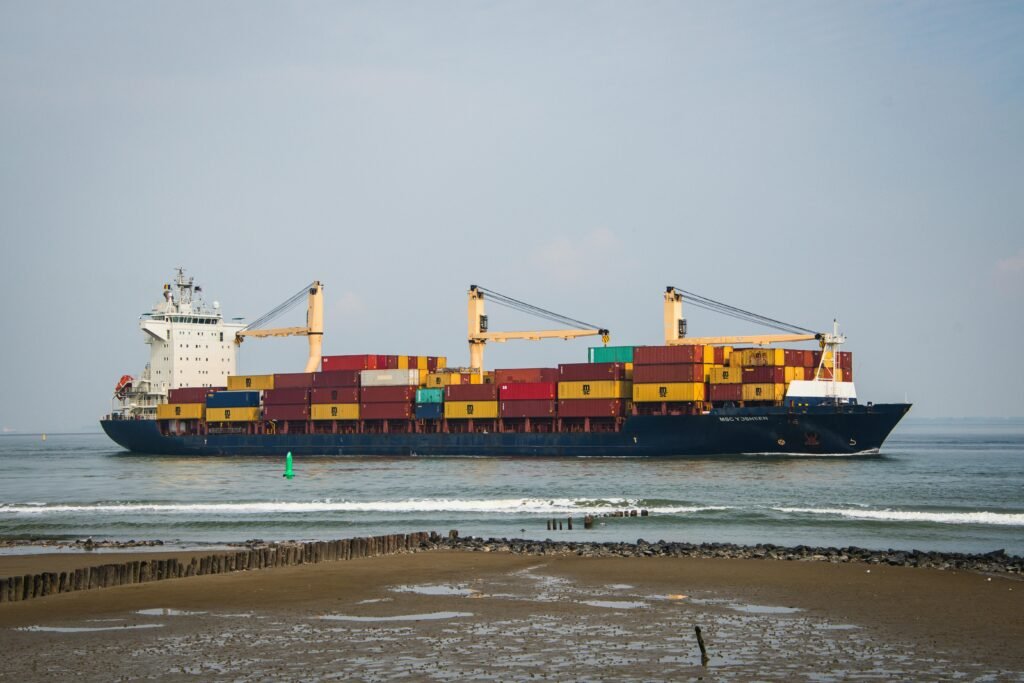
Historically, supply chains relied on manual tracking and periodic updates, leading to inefficiencies like stockouts or overstocking. Modern platforms integrate IoT sensors, GPS tracking, and blockchain to provide a unified view. For instance, a shipment of electronics from China to the United States can be monitored for temperature fluctuations, customs delays, or rerouting due to weather. This visibility minimizes risks and supports sustainable practices, such as reducing carbon emissions through optimized routes.
Key benefits include cost savings studies show that enhanced visibility can cut inventory costs by up to 20% and improved customer satisfaction through accurate delivery estimates. However, challenges like data silos and varying international standards persist. Trend Nova World Technical Agency is working on bridging these gaps with customizable platforms that adapt to regional needs, ensuring compliance with EU GDPR or U.S. customs regulations.
To build such a platform, start with assessing current supply chain maturity. Conduct audits to identify pain points, such as lack of integration between ERP systems and transportation management software. Engage stakeholders from procurement to logistics to define visibility goals, like tracking ethical sourcing in African mining operations or ensuring cold chain integrity for South American produce exports.
Technological Foundations for Real-Time Platforms
At the heart of real-time supply chain visibility platforms are cutting-edge technologies that enable data collection, processing, and dissemination. IoT devices form the backbone, embedding sensors in containers, vehicles, and warehouses to capture data on location, humidity, and vibration. For global operations, these devices must support multiple communication protocols, from cellular networks in urban areas to satellite links in remote regions.
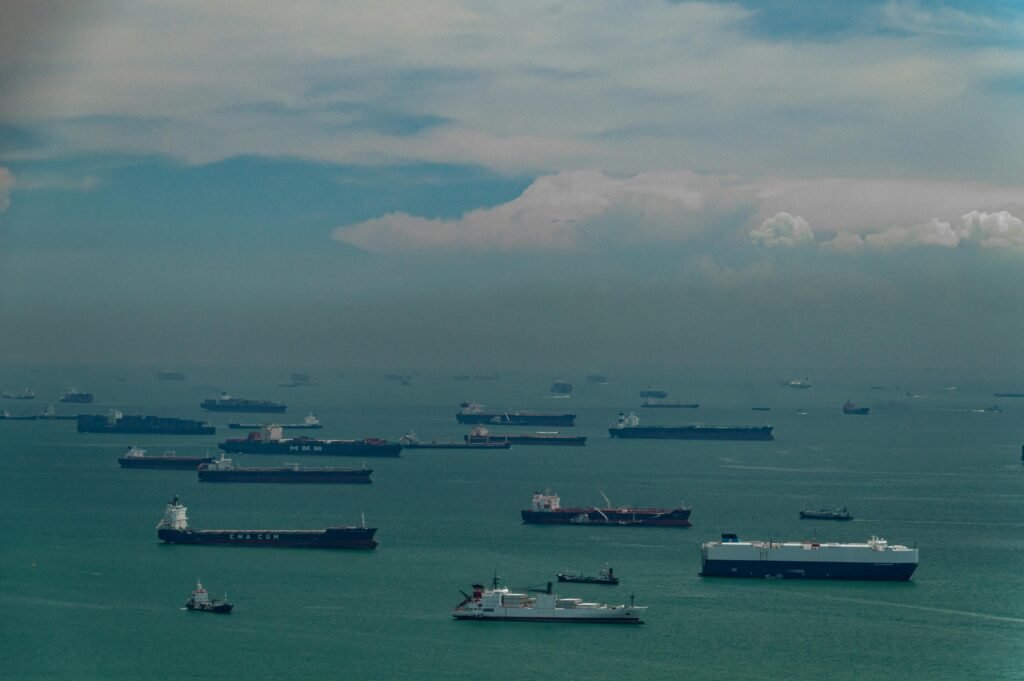
Artificial intelligence and machine learning analyze this data to predict disruptions. For example, AI algorithms can forecast port congestion in Singapore based on historical patterns and current weather data, allowing rerouting to alternative hubs like Rotterdam. Cloud computing ensures scalability, hosting vast datasets accessible from anywhere, while edge computing processes time-sensitive information locally to reduce latency.
Blockchain technology enhances transparency by creating immutable records of transactions. In international trade, this verifies product origins, crucial for combating counterfeits in luxury goods supply chains from Italy to global markets. Smart contracts automate payments upon delivery confirmation, streamlining cross-border dealings.
Integration with APIs is essential for connecting disparate systems. Platforms like those developed by Trend Nova World Technical Agency is working on incorporate open standards to link with major carriers like Maersk or FedEx, ensuring real-time updates across oceans.
Security is paramount, given the sensitive nature of supply chain data. Implement encryption, multi-factor authentication, and regular vulnerability assessments to protect against cyber threats, which have risen 300% in logistics sectors post-pandemic.
Designing an International Outline for Platform Development
Developing a real-time supply chain visibility platform requires an international outline that considers diverse regulatory, cultural, and infrastructural landscapes. Begin with a modular architecture to accommodate variations: core modules for data ingestion, analytics, and visualization, with add-ons for region-specific features.
For Asia-Pacific regions, emphasize mobile-first interfaces due to high smartphone penetration, integrating with WeChat or LINE for instant notifications. In Europe, prioritize data privacy compliance, incorporating anonymization techniques. North American designs might focus on integration with e-commerce giants like Amazon, while Latin American adaptations address infrastructure challenges with offline capabilities.
User experience design should be intuitive, using dashboards with customizable views executives see high-level KPIs, while operators access granular tracking. Incorporate multilingual support and cultural nuances, like date formats or measurement units.
Scalability planning involves stress-testing for peak seasons, such as holiday shipping surges. Use containerization with Docker and orchestration via Kubernetes for seamless deployment across global data centers.
Trend Nova World Technical Agency is working on frameworks that include these elements, offering blueprints for enterprises to tailor platforms to their worldwide operations.
Data Management Strategies in Global Logistics
Effective data management is the linchpin of supply chain visibility. Real-time platforms handle petabytes of data from sources like RFID tags, telematics, and satellite imagery. Employ big data technologies like Hadoop for storage and Spark for processing to manage this volume.
Data quality assurance involves cleansing algorithms to handle inaccuracies, such as GPS drift in mountainous terrains. Standardization is key for international transparency adopt GS1 standards for product identifiers to ensure interoperability across borders.
Analytics layers provide actionable insights. Predictive models use time-series forecasting to anticipate demand fluctuations, while prescriptive analytics suggest optimal responses, like alternative suppliers during geopolitical tensions.
Collaboration tools enable data sharing among partners. Secure portals allow suppliers in India to upload production updates visible to buyers in Germany, fostering trust.
Trend Nova World Technical Agency is working on data governance models that include audit trails and consent management, ensuring ethical use in diverse jurisdictions.
Implementation Phases: From Concept to Launch
Implementing a real-time supply chain visibility platform follows a phased approach. Start with proof-of-concept (POC) pilots on a single route, say from Brazilian farms to European supermarkets, to validate technologies.
In the design phase, map out workflows using BPMN diagrams, integrating with existing systems via middleware. Development involves agile methodologies, with sprints focused on features like mobile apps or AI dashboards.
Testing encompasses unit tests for code integrity, integration tests for system compatibility, and user acceptance tests in real-world scenarios. Simulate disruptions, like a Suez Canal blockage, to ensure resilience.
Deployment uses CI/CD pipelines for continuous updates. Post-launch, monitor performance with KPIs like data latency (under 5 seconds) and uptime (99.9%).
Training programs are crucial—conduct workshops for global teams, using e-learning for remote participants. Trend Nova World Technical Agency is working on turnkey implementation services, accelerating rollout for multinational firms.
Case Studies: Successful Global Deployments
Real-world examples illustrate the impact of these platforms. A major automotive manufacturer implemented a visibility system tracking parts from Japanese suppliers to assembly plants in Mexico, reducing lead times by 15% through predictive alerts.
In pharmaceuticals, a European company used blockchain-integrated platforms to ensure drug authenticity across African distribution networks, complying with WHO standards and cutting counterfeit incidents by 40%.
Retail giants like Walmart have platforms monitoring perishables from Australian orchards to U.S. stores, optimizing freshness and minimizing waste.
Trend Nova World Technical Agency is working on similar deployments, customizing for sectors like fashion, where fast fashion cycles demand ultra-responsive logistics.
Challenges in these cases included initial resistance to data sharing, overcome through incentives like shared cost savings.
Overcoming Challenges in Worldwide Transparency
Building these platforms isn’t without hurdles. Data privacy laws vary—GDPR in Europe contrasts with looser regulations in some Asian countries, requiring configurable consent mechanisms.
Interoperability issues arise from legacy systems; use adapters or modernization services to bridge gaps.
Cybersecurity threats, like ransomware targeting logistics, demand robust defenses, including AI-driven anomaly detection.
Sustainability integration is emerging—platforms now track carbon footprints, aiding compliance with global accords like the Paris Agreement.
Trend Nova World Technical Agency is working on solutions to these challenges, offering consulting to navigate complex international landscapes.
Future Trends in Supply Chain Visibility
Looking ahead, 5G networks will enable ultra-low latency tracking, revolutionizing autonomous vehicle logistics. Quantum computing could optimize routes beyond current capabilities.
AI advancements will incorporate natural language processing for querying platforms, like “Show delays in Asian shipments.”
Sustainability will drive green visibility, monitoring eco-friendly practices end-to-end.
Trend Nova World Technical Agency is working on next-gen features, positioning clients at the forefront of these trends.
Best Practices for Maintenance and Optimization
Post-implementation, regular audits ensure platform efficacy. Use feedback loops to refine features, incorporating user suggestions.
Scalability assessments prepare for growth, like expanding from regional to global coverage.
Cost optimization involves cloud bursting for peak loads, avoiding overprovisioning.
Trend Nova World Technical Agency is working on maintenance packages, ensuring long-term value.
Embracing Transparency for a Resilient Future
Real-time supply chain visibility platforms are essential for worldwide logistics transparency, driving efficiency and trust in a volatile world. By leveraging technology and strategic planning, businesses can build resilient systems. For more insights, visit Trend Nova World Technical Agency.
Discover the Future. Explore Our World.
Trend Nova World: Uniting Innovation