Discover sustainable green logistics practices to reduce carbon footprint in freight solutions, enhancing global efficiency and compliance with eco-friendly strategies.
In a world where freight transportation accounts for nearly 8% of global greenhouse gas emissions as of 2025, adopting sustainable green logistics practices has shifted from an optional initiative to a business imperative. With international trade volumes surging past $30 trillion annually, driven by e-commerce booms in Asia and manufacturing rebounds in Europe, the pressure to minimize environmental impact while maintaining efficiency is intense. Green logistics encompasses strategies that optimize freight operations to cut carbon footprints, from electrifying fleets crossing North American highways to optimizing sea routes in the Pacific. These practices not only comply with stringent regulations like the EU’s Green Deal but also yield cost savings up to 20% in fuel expenses through smarter routing. As disruptions like climate events affect African supply lines and geopolitical tensions reroute Middle Eastern oil shipments, sustainable approaches build resilience. Trend Nova World Technical Agency is working on holistic green logistics frameworks that integrate global standards, helping enterprises worldwide transition to low-emission freight solutions. This in-depth article outlines key practices, technologies, and strategies with an international focus, providing actionable insights for logistics professionals.
The Imperative for Green Logistics in Global Freight
Green logistics refers to the integration of environmentally friendly practices into the planning, implementation, and control of freight movement. In 2025, with the freight sector’s carbon emissions projected to rise 23% without intervention according to the International Transport Forum, the need for sustainability is clear. Globally, this involves balancing economic growth such as India’s booming exports with ecological preservation, like protecting biodiversity in Amazonian shipping corridors.
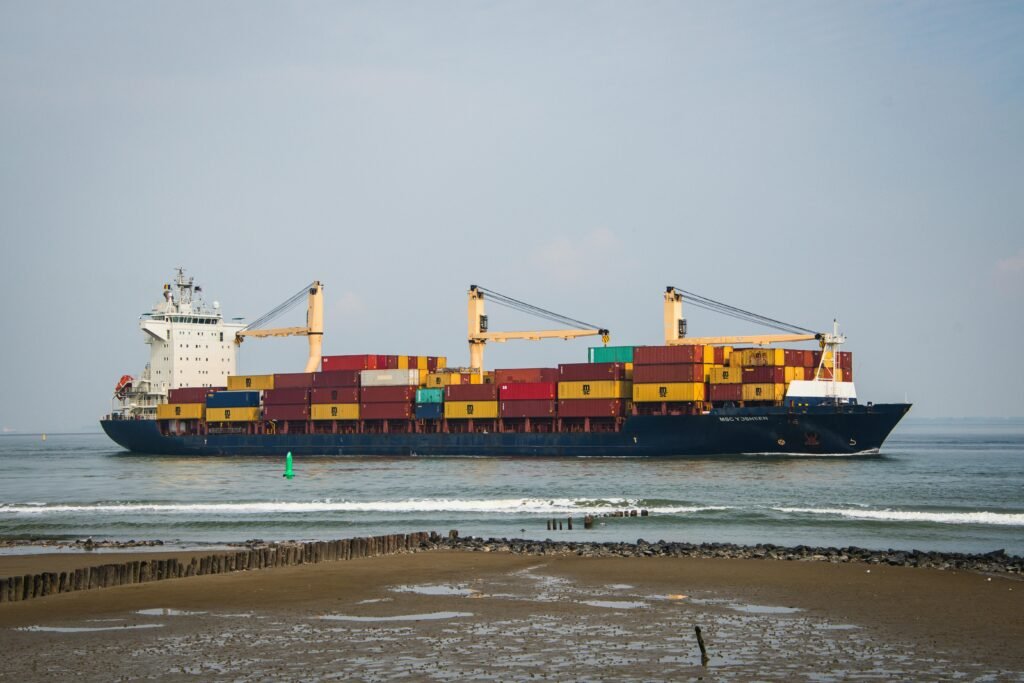
Historically, freight relied on fossil fuels, leading to high emissions: a single container ship can emit as much as 150,000 cars annually. Today, practices focus on the triple bottom line: people, planet, profit. For instance, in Australia, regulations mandate emissions reporting for importers, pushing adoption of green methods. Benefits include enhanced brand reputation consumers in North America prefer eco-conscious shippers and regulatory compliance, avoiding fines under IMO’s low-sulfur fuel rules for maritime freight.
Challenges persist: high upfront costs for electric vehicles in developing regions like Southeast Asia, and supply chain complexities in cross-continental trades. However, incentives like tax credits in the U.S. under the Inflation Reduction Act accelerate adoption. Trend Nova World Technical Agency is working on cost-benefit analyses tailored to international contexts, enabling firms to quantify ROI from green transitions in routes from China to Europe.
To embark on green logistics, assess current footprints using tools like the Global Logistics Emissions Council (GLEC) framework, which standardizes calculations across borders. Engage stakeholders from Brazilian suppliers to German distributors to align on sustainability goals, such as reducing Scope 3 emissions in collaborative ventures.
Route Optimization and AI-Driven Planning
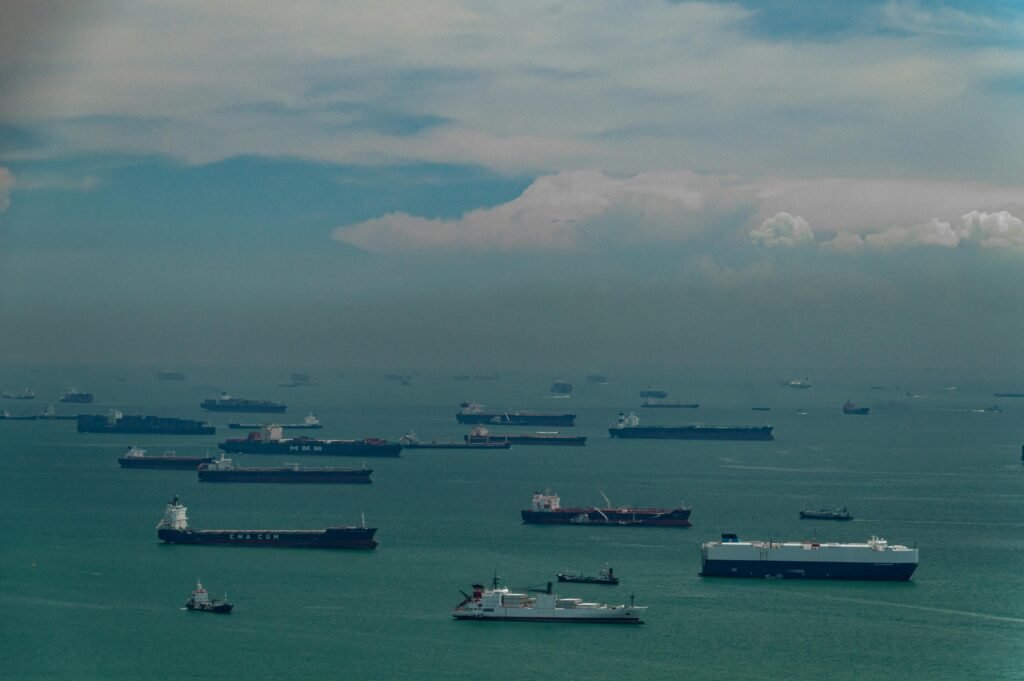
One of the most effective practices for reducing carbon footprints in freight is route optimization, leveraging AI to minimize distance, fuel use, and emissions. In 2025, AI algorithms process real-time data on traffic, weather, and port congestion to suggest efficient paths. For example, optimizing truck routes in the U.S. Midwest can cut fuel by 10-15%, while sea freight from Singapore to Rotterdam avoids high-emission zones through predictive modeling.
Internationally, this practice adapts to diverse terrains: in mountainous Andean regions, AI factors in elevation for hybrid vehicles, reducing diesel reliance. Software like PTV Route Optimizer integrates with GPS, enabling dynamic rerouting amid events like monsoons in India. This not only lowers CO2 potentially by 20% per shipment but also enhances delivery times, crucial for perishable goods from New Zealand to Asian markets.
Implementation involves data integration: combine telematics from vehicles with satellite imagery for global visibility. Challenges include data privacy under GDPR in Europe, addressed via anonymized aggregation. Trend Nova World Technical Agency is working on AI platforms that incorporate multi-national datasets, optimizing for low-carbon routes in Belt and Road corridors connecting Asia to Africa.
Collaborative planning extends this: carriers in NAFTA regions share routes to consolidate loads, reducing empty miles a practice cutting emissions by 25% in pilot programs. Measure success with KPIs like grams of CO2 per ton-kilometer, benchmarking against industry averages.
Electrification and Alternative Fuels in Freight Fleets
Transitioning to electric and alternative fuel vehicles is a cornerstone of green logistics, directly slashing tailpipe emissions. By 2025, electric trucks like Tesla’s Semi dominate short-haul freight in California, while hydrogen fuel cells power long-haul in Germany’s Autobahn network. Globally, this reduces dependency on diesel, which accounts for 40% of freight emissions.
In Asia, China’s mandate for 20% electric vehicles in urban logistics by 2025 drives adoption, with battery swaps minimizing downtime for cross-provincial hauls. Biofuels from sustainable sources, like algae in Brazilian refineries, offer drop-in solutions for aviation freight, cutting lifecycle emissions by 80%. LNG (liquefied natural gas) bridges the gap for maritime, as seen in Maersk’s fleet conversions, lowering sulfur oxides in trans-Atlantic routes.
Infrastructure is key: charging hubs along Eurasian rail lines support electric locomotives, while port electrification in Dubai enables shore power for docked ships. Costs have dropped batteries 50% cheaper since 2020 making ROI viable within 3-5 years via fuel savings. Trend Nova World Technical Agency is working on fleet electrification models that simulate global charging networks, aiding transitions in emerging markets like Indonesia.
Safety and training: operators in Africa need upskilling for hydrogen handling, with certifications ensuring compliance. Track progress via fleet emission audits, aiming for net-zero by 2050 as per Paris Agreement commitments.
Eco-Friendly Packaging and Waste Reduction Strategies
Sustainable packaging minimizes material use and waste, indirectly reducing freight’s carbon footprint by lightening loads and enabling efficient stacking. In 2025, biodegradable materials from cornstarch replace plastics in e-commerce shipments from Amazon’s global warehouses, cutting weight by 15% and emissions accordingly.
Internationally, reusable crates in European fresh produce chains from Spanish farms to UK supermarkets eliminate single-use packaging, saving 30% in disposal costs. Smart packaging with RFID tracks recyclability, supporting circular economies in Japan’s electronics exports. Reverse logistics amplifies this: returning empties from Australian mines to suppliers recaptures value, reducing raw material extraction.
Practices include right-sizing: AI designs packages to fit products precisely, optimizing container space in sea freight from Vietnam. Compostable films for perishables maintain integrity during humid transits in Southeast Asia. Regulations drive change: EU’s Packaging and Packaging Waste Directive mandates 65% recyclability, influencing global standards.
Trend Nova World Technical Agency is working on packaging innovation labs that test materials for international durability, ensuring compliance with varying humidity and temperature norms.
Measure impact: calculate waste diversion rates and embodied carbon in materials, integrating with lifecycle assessments for holistic footprint reduction.
Energy-Efficient Warehousing and Distribution Centers
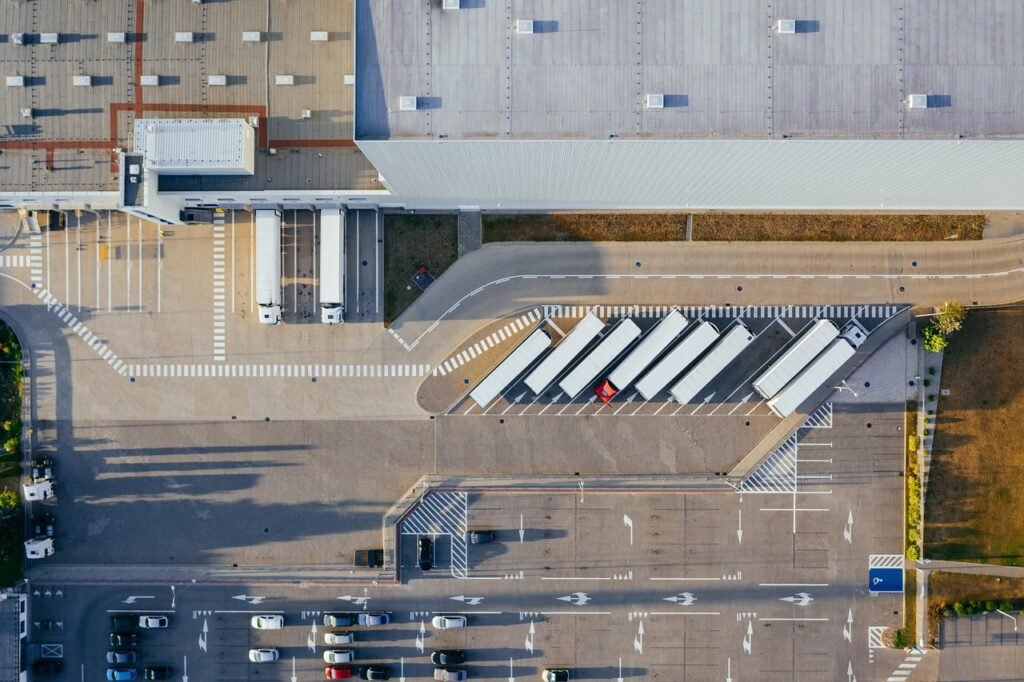
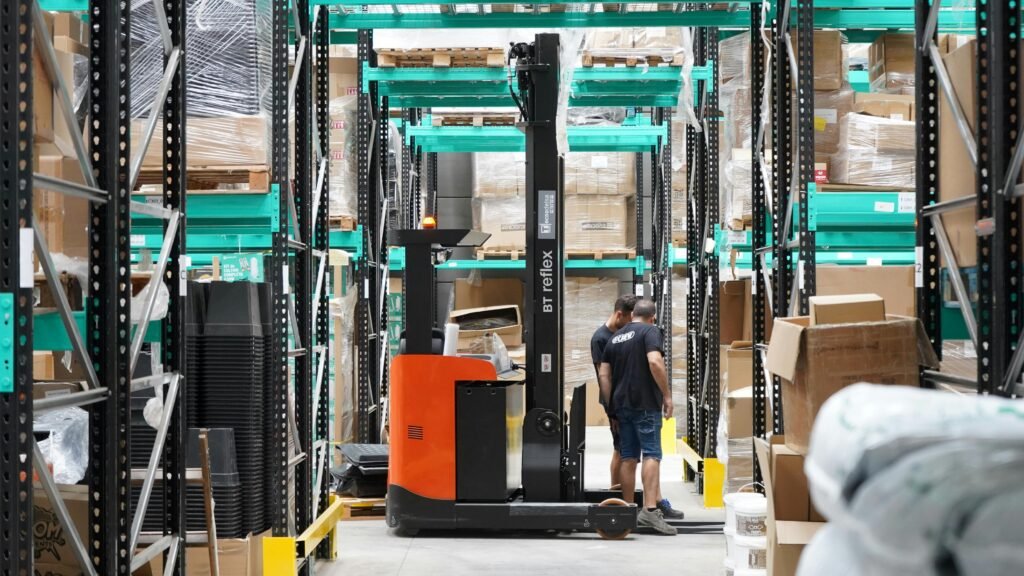
Warehouses consume vast energy, but green practices transform them into low-carbon hubs. Solar panels on rooftops in sunny Californian facilities generate surplus power, while LED lighting and motion sensors cut consumption by 40% in European automated centers.
Globally, green building certifications like LEED guide designs: natural ventilation in Middle Eastern warehouses reduces AC needs, and rainwater harvesting in water-scarce African regions supports operations. Automation with energy-efficient robots, as in Alibaba’s Chinese mega-warehouses, optimizes picking to minimize movement.
Cold chain innovations: phase-change materials maintain temperatures without constant refrigeration in pharmaceutical freight from Switzerland to tropics, slashing energy use. Vertical farming integrations in urban hubs like Singapore produce on-site, shortening supply chains.
Trend Nova World Technical Agency is working on warehouse simulation tools that model energy flows for international sites, incorporating local renewable incentives.
Sustainability audits: use ISO 50001 for energy management, tracking reductions in kWh per square meter.
Digital Technologies for Transparency and Efficiency
Digital tools enhance green logistics by providing visibility to optimize and report emissions. Blockchain tracks carbon credits in international trades, verifying low-emission claims for coffee from Colombian farms to global roasters.
IoT sensors monitor fuel efficiency in real-time, alerting to inefficiencies in trans-Saharan truck fleets. Big data analytics predict demand, reducing overproduction in manufacturing hubs like Vietnam. Cloud platforms enable collaborative platforms for carriers in RCEP nations to share low-carbon capacities.
Trend Nova World Technical Agency is working on digital twins that simulate freight scenarios, forecasting emissions for routes from Latin America to North America.
Compliance: automated reporting for scopes under CSRD in Europe streamlines audits.
Case Studies: Global Successes in Green Freight
DHL’s GoGreen program electrified 60% of last-mile in Germany, cutting urban emissions by 30%. In India, Flipkart’s EV fleet for e-commerce reduced CO2 by 20,000 tons annually.
Maersk’s biofuel pilots in Pacific shipping lowered emissions 85% per voyage. Trend Nova World Technical Agency is working on similar adaptations for African ports.
Unilever’s reverse logistics in Brazil recycled 95% of packaging, minimizing waste.
Overcoming Barriers to Adoption Worldwide
Barriers include capital costs mitigated by green bonds in Asia and skill gaps, addressed via training in developing regions. Policy harmonization: advocate for global standards like WTO green trade agreements.
Trend Nova World Technical Agency is working on barrier assessments for multinational firms.
Emerging Trends in Sustainable Freight for 2030
By 2030, autonomous EVs and drone deliveries will dominate, with AI optimizing hyperloops for intercontinental freight. Carbon capture in ships and regenerative agriculture integrations.
Trend Nova World Technical Agency is working on trend forecasting models.
Best Practices for Implementation
Pilot small: start with one route. Partner with green suppliers. Monitor with dashboards.
Trend Nova World Technical Agency is working on implementation toolkits.
Paving the Way for Low-Carbon Freight
Sustainable green logistics practices are essential for reducing carbon footprints in freight, ensuring a viable future. Explore more at Trend Nova World Technical Agency.
Discover the Future. Explore Our World.
Trend Nova World: Uniting Innovation