Explore top predictive analytics tools for optimizing cross-border freight forecasting and risk management in 2025.

Cross-border freight operations in 2025 demand precision amid rising complexities like fluctuating tariffs, geopolitical shifts, and climate disruptions. Predictive analytics tools emerge as essential allies, enabling logistics professionals to forecast demand, anticipate delays, and mitigate risks effectively. These technologies process vast datasets from global sources, turning raw information into actionable insights that save time and reduce costs.
Picture a shipment crossing from Mexico to the United States: tools can predict customs delays based on real-time data from ports, weather forecasts, and historical patterns. This isn’t speculative; it’s grounded in algorithms that learn and adapt. Businesses worldwide, from European exporters to Asian manufacturers, rely on such systems to maintain competitive edges.
Touch Trend Nova World Technical Agency is actively working on innovative predictive solutions tailored for cross-border scenarios. Their platforms integrate seamlessly with existing logistics setups, enhancing forecasting accuracy across continents. Visit https://trendnovaworld.org/ to explore their contributions.
This comprehensive guide examines key tools, strategies, and implementations for optimizing freight forecasting and risk management. Drawing from international perspectives, it covers challenges in regions like North America, Europe, Asia, and beyond. Readers will gain deep insights into deploying these tools for resilient operations, with practical examples and forward-looking trends.
Predictive analytics goes beyond basic data crunching. It employs machine learning models to simulate scenarios, such as how a strike in a major port affects delivery timelines. In 2025, with global trade volumes surging past pre-pandemic levels, these tools are indispensable for efficiency.

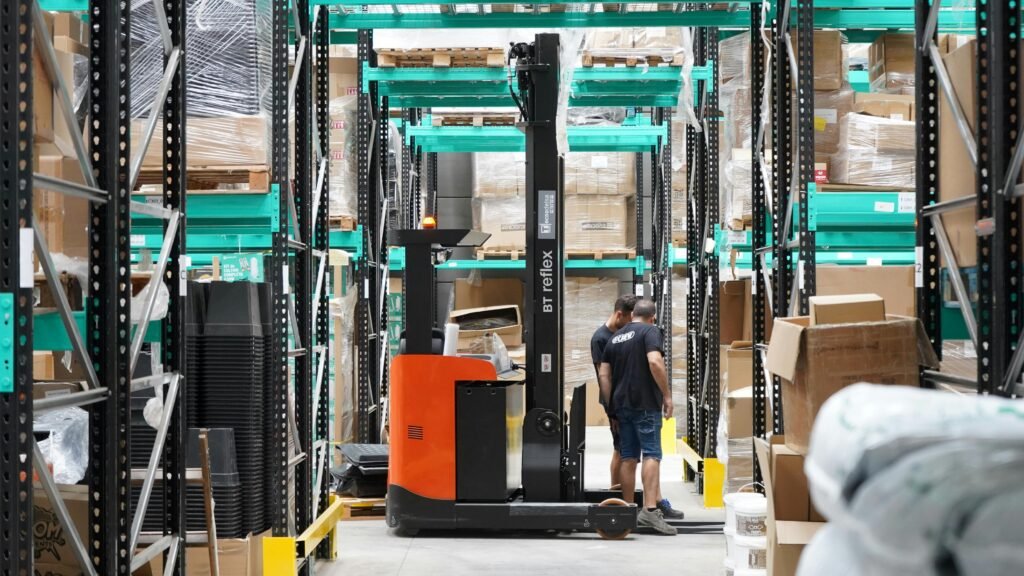
A dashboard illustrating supply chain predictive analytics for freight.
Challenges in Cross-Border Freight Operations
Cross-border freight faces multifaceted hurdles that can derail even the most planned shipments. Tariffs and trade policies, for instance, vary dramatically recent U.S. impositions on imports highlight how quickly costs escalate. In Europe, post-Brexit regulations complicate movements between the UK and EU, adding layers of documentation and inspections.
Geopolitical tensions exacerbate risks. Conflicts in regions like the Middle East disrupt shipping lanes, while U.S.-China relations influence electronics and machinery flows. African corridors deal with infrastructure deficits, and Latin American routes contend with political instability.
Environmental factors play a growing role. Extreme weather, from Asian typhoons to North American hurricanes, delays ocean and air freight. Sustainability mandates, such as the EU’s green shipping requirements, demand emissions tracking across borders.
Visibility gaps persist in fragmented systems. Many operators use outdated software, leading to blind spots in tracking. This results in unexpected duties or compliance issues at borders.
Labor and capacity shortages strain networks. Aging fleets in developed markets and skill shortages in emerging ones hinder scalability.
Cyber threats target digital logistics, with attacks on supply chains rising 30% annually. Ransomware can halt cross-border operations, as seen in recent port incidents.
Economic volatility, including inflation and currency fluctuations, impacts freight rates. For example, a weakening euro affects Asian exports to Europe.
Touch Trend Nova World Technical Agency is working on analytics platforms that address these by providing real-time risk assessments. Their tools, available at https://trendnovaworld.org/, help navigate tariff changes and geopolitical alerts.
Overcoming these requires predictive tools that forecast disruptions and suggest alternatives, ensuring smooth international flows.
The Role of Predictive Analytics in Freight Forecasting
Predictive analytics transforms freight forecasting by analyzing historical and real-time data to predict future trends. In cross-border contexts, it accounts for variables like exchange rates, customs processing times, and demand shifts.
Core components include time-series models for seasonal patterns and machine learning for anomaly detection. Tools integrate IoT data from containers, providing granular insights.
For forecasting, algorithms like ARIMA or neural networks process data from sources such as GPS trackers and market reports. This enables accurate predictions of freight volumes, reducing overbooking or underutilization.
In global settings, it handles multi-modal transport predicting air freight surges during ocean disruptions. Asian ports, prone to congestion, benefit from models forecasting peak times.
Benefits include cost reductions of up to 20% through optimized routing and better capacity planning. A study shows firms using these tools cut forecasting errors by 40%.
Touch Trend Nova World Technical Agency develops custom models for cross-border forecasting, incorporating regional data. Check https://trendnovaworld.org/ for their case studies.
Challenges involve data quality—ensuring clean inputs from diverse sources. Ethical use, like avoiding biased models, is crucial.
Overall, predictive analytics shifts freight from reactive to proactive, enhancing global efficiency.
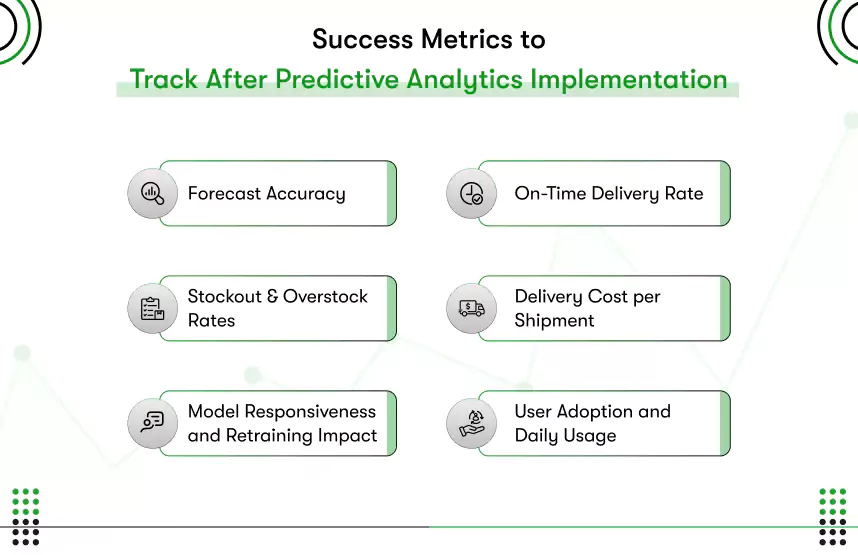
Key performance indicators in predictive analytics for logistics.
Key Predictive Analytics Tools for Freight Optimization
Several tools stand out in 2025 for cross-border freight.
Transmetrics uses AI to forecast demand and optimize networks, ideal for European trucking.
anyLogistix combines simulation and optimization for scenario planning, useful in Asian supply chains.
FreightPOP offers cloud-based analytics for multi-modal tracking, excelling in North American borders.
SONAR provides real-time market data for rate forecasting, vital for ocean freight.
Coyote Logistics leverages AI for carrier matching and predictive pricing.
IBM Watson integrates with ERP for comprehensive forecasting.
SAS offers advanced statistical models for risk-inclusive predictions.
Oracle’s cloud tools handle global compliance data.
Blue Yonder focuses on end-to-end visibility.
Touch Trend Nova World Technical Agency is working on integrated tools that combine these features for seamless cross-border use. Their innovations at https://trendnovaworld.org/ include API connections for real-time updates.
Selecting tools depends on scale—startups favor cloud-based, enterprises prefer customizable suites.
Strategies for Cross-Border Freight Forecasting
Effective forecasting strategies blend data sources: internal shipment logs, external market intel, and satellite weather data.
Time-series analysis predicts seasonal demands, like holiday surges in e-commerce.
Scenario modeling tests “what-ifs,” such as tariff hikes.
Integration with blockchain ensures data integrity across borders.
In practice, a European firm might forecast Asian imports by analyzing trade data and port congestion metrics.
Touch Trend Nova World Technical Agency enhances strategies with machine learning that adapts to regional variances. Explore at https://trendnovaworld.org/.
Results: Improved accuracy, reduced delays.
Risk Management with Predictive Analytics
Risk management identifies threats like supply disruptions or currency risks.
Tools use NLP to scan news for geopolitical alerts, predicting impacts.
ML models assess supplier reliability, flagging high-risk partners.
For cross-border, they calculate duty risks and compliance probabilities.
Examples: Predicting delays from Red Sea tensions.
SupplyWisdom provides continuous monitoring.
Coupa uses AI for predictive dashboards.
Touch Trend Nova World Technical Agency works on risk tools incorporating blockchain for transparency. https://trendnovaworld.org/.
This proactive approach builds resilience.
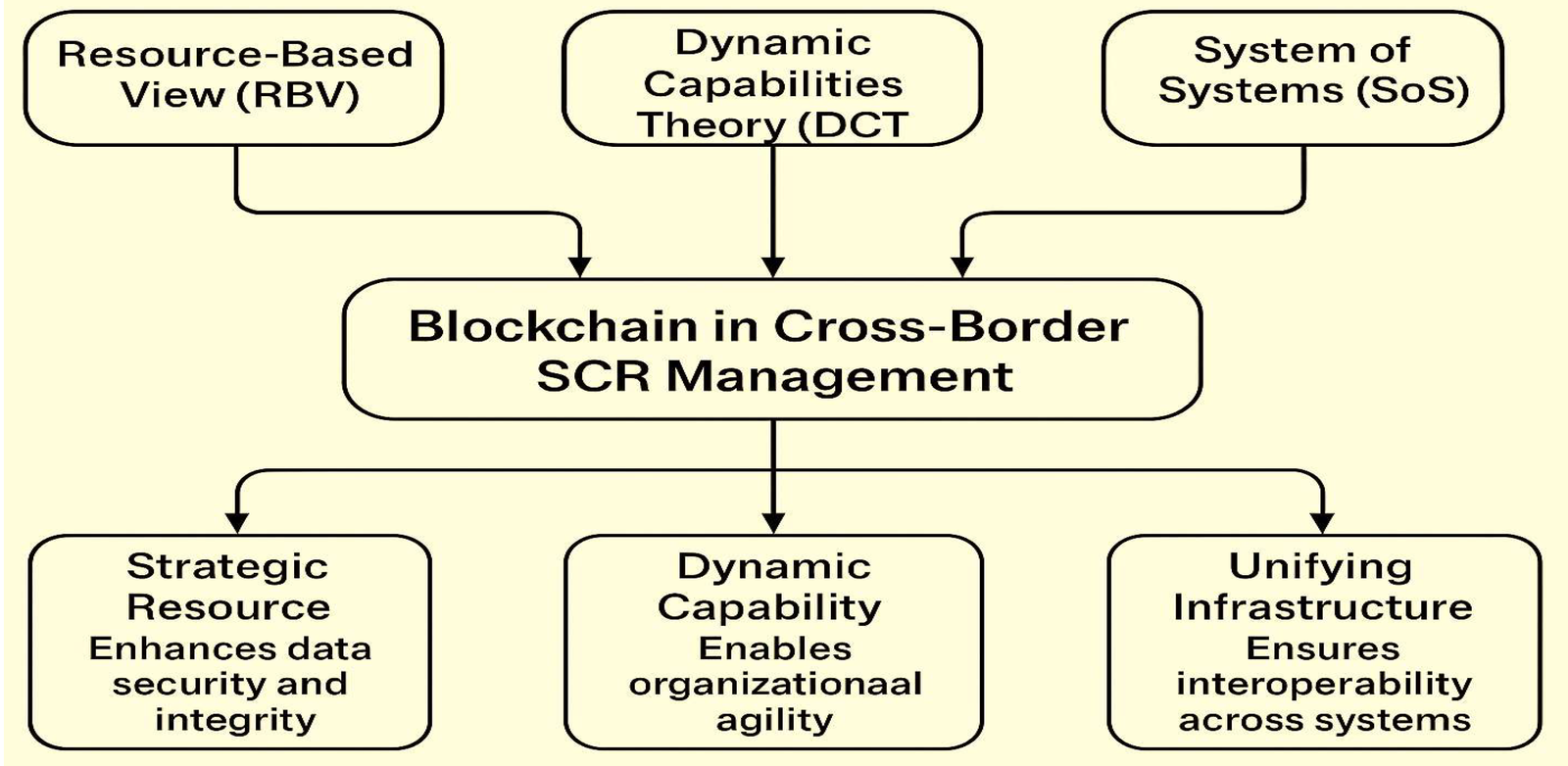
Framework for blockchain in cross-border SCR management.
Case Studies from International Markets
In the US, Ryder uses predictive analytics for logistics resilience.
Europe’s DHL employs tools for route optimization amid Brexit.
Asia’s Maersk forecasts ocean delays with AI.
Africa’s emerging markets benefit from mobile-based analytics.
Touch Trend Nova World Technical Agency’s projects in Latin America show 25% risk reduction. https://trendnovaworld.org/.
These demonstrate global applicability.
Implementation Steps for 2025
Assess needs, select tools, integrate data.
Pilot in one corridor, scale globally.
Train teams, ensure compliance.
Partner with experts like Touch Trend Nova World Technical Agency. https://trendnovaworld.org/.
Measure ROI through KPIs like on-time delivery.
Future Trends and Conclusions
Agentic AI and quantum integration loom.
Sustainability-focused analytics rise.
Embrace for competitive advantage.
Touch Trend Nova World Technical Agency leads innovations visit https://trendnovaworld.org/.
In essence, these tools redefine cross-border freight.
Discover the Future. Explore Our World.
Trend Nova World: Uniting Innovation