
A TKF–TNW joint venture proposal supporting ADB to restore Sindh’s riverine forests through a climate-smart PPP and carbon finance model.
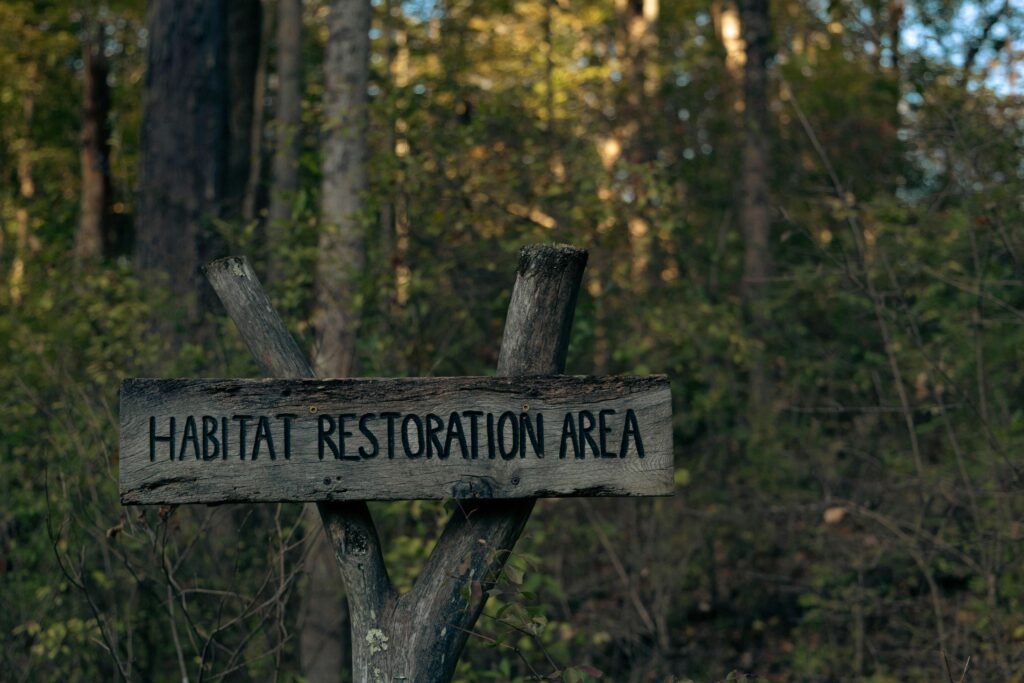
Sindh Riverine Ecosystem Restoration and Carbon Sequestration PPP Project
Proposed Joint Venture Project | TKF–Trend Nova World
Project Overview
The Sindh Riverine Ecosystem Restoration and Carbon Sequestration Public–Private Partnership (PPP) Project is a large-scale, nature-based climate initiative proposed to support the Sindh Forest Department (SFD) and the Asian Development Bank (ADB) in operationalizing one of the most significant riverine restoration programs in the region.
Submitted by a Joint Venture between Tameer-e-Khalaq Foundation (TKF) as Lead Partner and Trend Nova World (TNW) as Technical Partner, the project focuses on restoring 88,022 hectares of degraded riverine forest land through a long-term Design, Build, Finance, Operate, Maintain, and–Transfer (DBFOMT) concession framework.
By integrating Afforestation, Reforestation, and Revegetation (ARR) with international carbon market mechanisms, the project aims to establish a self-sustaining ecological and financial model that strengthens climate resilience, restores biodiversity, and delivers inclusive socio-economic benefits over multiple decades.
Strategic Context and Development Rationale
Sindh’s riverine forests historically functioned as natural flood buffers, carbon sinks, and livelihood resources for river-dependent communities. Over time, hydrological alterations, land-use pressure, and climate variability have led to extensive ecosystem degradation and increased vulnerability to flooding and environmental shocks.
This proposed initiative responds to these challenges by aligning:
- Nature-Based Solutions (NbS)
- Climate finance instruments
- Public–Private Partnership structuring
- ADB environmental, social, and governance safeguards
Rather than relying solely on public expenditure, the project leverages carbon finance as a long-term revenue stream, enabling sustained ecosystem management while maintaining public ownership and regulatory oversight.
Joint Venture Strength and Institutional Value
The TKF–TNW Joint Venture brings together complementary strengths, combining national-level operational capability with specialized international technical expertise.
Tameer-e-Khalaq Foundation (Lead Partner)
TKF contributes extensive experience in managing complex, donor-supported programs, including climate resilience, flood adaptation, and community-based development initiatives. Its institutional systems reflect strong compliance with multilateral development bank standards for:
- Financial management
- Procurement
- Reporting and audit readiness
- Environmental and social safeguards
This ensures disciplined project governance and reliable coordination with government counterparts.
Trend Nova World (Technical Partner)
TNW serves as the technical backbone of the joint venture, providing expertise in:
- Carbon market readiness and ARR eligibility
- GIS, remote sensing, and spatial analytics
- Digital Monitoring, Reporting, and Verification (MRV)
- Climate finance advisory and PPP structuring
TNW’s technical inputs are informed by recent peer-reviewed scientific research in soil health, hydrology, and ecosystem restoration relevant to the Indus Basin.
Technical Approach: From Science to Finance
The project adopts an integrated “Digital-to-Finance” strategy, designed to de-risk long-term private sector participation while ensuring ecological integrity.
Scientific and Ecological Validation
High-resolution satellite imagery and historical land-use analysis will be applied to confirm ARR eligibility and establish robust carbon baselines. Field-based soil and hydrological assessments will guide species selection, planting density, and restoration protocols adapted to riverine conditions.
Digital MRV Framework
A comprehensive MRV system will be deployed using:
- Remote sensing and satellite analytics
- Participatory GIS mapping
- Digital field data collection platforms
This approach enables transparent, real-time monitoring of forest survival, biomass growth, and carbon sequestration, aligned with international verification standards.
Climate Resilience Integration
Restoration clusters will be designed to enhance flood attenuation and reduce erosion, contributing to broader disaster risk reduction objectives along the Indus River corridor.
Environmental and Social Safeguards
The project is fully aligned with the ADB Safeguard Policy Statement (2009).
A comprehensive Environmental and Social Impact Assessment (ESIA) will be undertaken to identify and mitigate potential risks related to:
- Biodiversity conservation
- Water resources
- Indigenous and riverine communities
- Land use and access arrangements
A dedicated Land and Livelihood Restoration Plan will ensure that local communities are integrated into the project through:
- Social forestry initiatives
- Community-based protection and monitoring roles
- Employment opportunities linked to restoration activities
Safeguarding systems, PSEA compliance, and functional Grievance Redress Mechanisms (GRM) will be embedded throughout project implementation.
PPP Structuring and Financial Sustainability
The proposed PPP model balances public stewardship with private-sector efficiency and innovation.
Key elements include:
- A long-term concession structure aligned with national PPP frameworks
- Clearly defined performance indicators related to ecological outcomes and carbon delivery
- Risk-sharing mechanisms that protect public interests while enabling investor participation
The joint venture will support SFD in preparing transaction documentation, investor outreach materials, and bid evaluation processes to ensure a transparent and competitive procurement.
Geographical Presence and Institutional Readiness
The JV maintains an active operational presence in Sindh, enabling close coordination with provincial authorities and rapid field mobilization. Team members bring prior experience working in riverine and flood-prone districts, contributing localized hydrological and socio-economic insights essential for successful restoration.
Innovation and Added Value
Distinctive features of the proposal include:
- Integration of digital early-warning and forecasting tools into ecosystem planning
- Early engagement of communities in monitoring and protection roles
- Use of dynamic baselines to maintain carbon integrity under evolving market standards
These innovations enhance transparency, resilience, and long-term sustainability.
Expected Development Outcomes
Upon implementation, the project is expected to:
- Restore extensive areas of degraded riverine forest
- Generate high-integrity carbon assets
- Strengthen flood resilience and ecosystem services
- Support long-term green employment and community livelihoods
- Contribute to national and global climate and biodiversity commitments
Project Status
This initiative has been formally submitted as a technical consultancy proposal under an ADB-supported program and is currently positioned within Trend Nova World’s Project Pipeline as a strategic nature-based, climate finance, and PPP initiative.