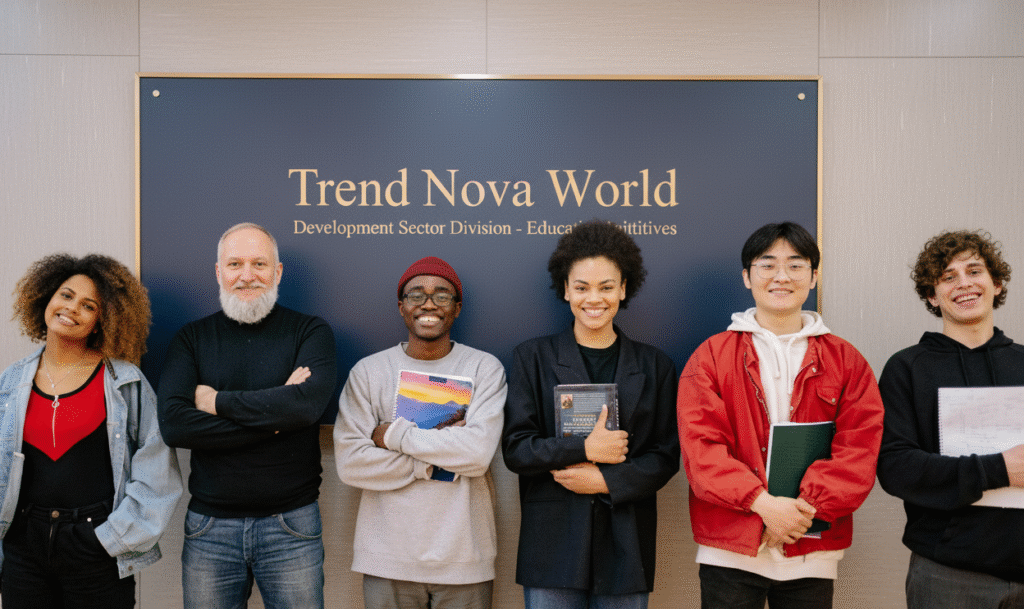
Unlock 2025 visa tips for US F-1 OPT extensions and German student work permits. Simplify study abroad in top destinations with expert hacks for seamless stays and career starts.

Dreaming of diving into world-class education while building a career edge? The year 2025 brings fresh opportunities for international students eyeing the United States and Germany. These powerhouses draw talent with cutting-edge programs in tech, engineering, business, and beyond. Yet, the real game-changer lies in mastering visas: unlocking work rights and seamless extensions that turn your study stint into a launchpad for long-term success.
Forget the old headaches of rigid rules and endless paperwork. This guide cuts through the noise with proven strategies tailored for 2025. Whether you are gearing up for Silicon Valley innovation or Berlin’s startup vibe, we will unpack F-1 visa tweaks in the US, Germany’s student residence permit perks, and smart moves to extend your stay without stress. By the end, you will have actionable steps to boost your applications, snag part-time gigs, and transition to full-time roles. Let’s make your abroad adventure not just possible, but powerhouse-level efficient.
Navigating US Student Visas in 2025: Key Updates and Basics
The US remains a magnet for over a million international students annually, thanks to its diverse campuses and industry ties. At the heart is the F-1 visa, your golden ticket for academic pursuits. Issued by US embassies or consulates, it ties directly to enrollment at a Student and Exchange Visitor Program (SEVP)-certified school. Once approved, you get an I-20 form from your institution, which you present at the port of entry.
But 2025 flips the script with a major policy shift. The Department of Homeland Security (DHS) is ditching the longstanding “Duration of Status” (D/S) provision. Under D/S, F-1 holders could stay as long as needed to complete their program, plus grace periods, without fixed expiration dates. Now, expect four-year caps for most undergrad and grad tracks, with extensions required for longer degrees. This change aims to curb perceived abuses but demands sharper planning from applicants.
Why does this matter? Fixed periods mean your visa stamp and I-94 arrival record will show an end date, typically four years from entry. Overstay risks deportation or future bans, so sync your program length with this timeline from day one. Pro tip: During your SEVIS fee payment and DS-160 form submission, double-check your intended start date against the new limits. Schools must now issue I-20s reflecting these bounds, so chat with your Designated School Official (DSO) early.
Application timelines tighten too. Premium processing for F-1 changes via USCIS clocks in at 15 days for a fee, but embassy interviews still lag 3-6 months in high-volume spots like Mumbai or Lagos. Start six months ahead: Gather transcripts, financial proofs (at least $30,000-$50,000 in bank statements or sponsor affidavits), and a compelling Statement of Purpose (SOP) highlighting your post-study goals.
For 2025 entrants, watch the Federal Register for final rule rollout, expected by Q1. If your program exceeds four years, like a combined bachelor’s-master’s, apply for an extension via Form I-539 before your fixed period lapses. Fees hover at $370, plus biometrics. Success hinges on proving continued full-time enrollment and financial stability.
This setup streamlines tracking but rewards proactive students. Universities like MIT and NYU now offer visa clinics to guide you, so enroll in one upon acceptance.
Unlocking Work Rights on F-1: From Campus Gigs to OPT Mastery
Nothing beats hands-on experience to pad your resume. US F-1 rules let you work, but with guardrails that 2025 updates refine for clarity. First-year students stick to on-campus jobs: up to 20 hours weekly during terms, full-time in breaks. Think library aide or lab assistant; no off-campus until year two.
Enter Curricular Practical Training (CPT), your bridge to real-world roles. CPT integrates paid or unpaid internships into your curriculum, authorized by your DSO. Part-time (under 20 hours) does not dent future options, but full-time for a year or more slashes Optional Practical Training (OPT) eligibility. Apply via I-20 endorsement; USCIS approval is not needed if under six months.
2025’s fixed-status rule ties CPT tighter to program progress. You must maintain full-time credits (12+ per semester) to qualify, and DSOs will scrutinize ties to your major. Hack: Enroll in internship-credit courses early. For computer science majors, snag summer CPT at firms like Google through Handshake portals. Processing takes 1-2 weeks, so align with semester starts.
The crown jewel? OPT, granting 12 months of any job related to your field post-graduation. STEM fields (science, tech, engineering, math) score a 24-month extension, totaling 36 months. Apply up to 90 days before completion via Form I-765; EAD cards arrive in 3-5 months. Under the new rule, extend your F-1 status first if your program runs long, or risk OPT denial.
Real hack: Cap-Gap extends your OPT if an H-1B petition pends, bridging to October starts. Track USCIS lotteries in March; apply via premium if eligible. Over 200,000 students used OPT in 2024, with STEM leading at 70%. Network via LinkedIn alumni groups for leads; tailor resumes to ATS keywords like “Python proficiency” for tech roles.
Severe economic hardship waivers allow off-campus work if you prove unforeseen issues, like family crises. File I-765 with evidence; approvals grant 12 months at 20 hours weekly.
These layers build flexibility. A business major might stack on-campus tutoring with CPT at Deloitte, then OPT at startups, eyeing H-1B transitions.
Extension Strategies for US Stays: Beat the Clock in 2025
Extensions keep your momentum going. With D/S gone, Form I-539 becomes routine for programs over four years or post-OPT bridges. File 45 days before expiry; include I-20, financials, and enrollment proof. DSO recommendation is key; they update SEVIS first.
Hack: Bundle with OPT apps for efficiency. If switching schools, transfer SEVIS within five months of program end to avoid gaps. Costs: $370 base, $85 biometrics. Processing: 4-6 months standard, 15 days premium ($1,500+).
For STEM OPT, renewals need employer E-Verify and training plans via Form I-983. Submit 90 days early; delays hit 20% of applicants last year. Tip: Use USCIS case status trackers daily.
Grace periods: 60 days post-program to wrap up, job hunt, or depart. Overlap with OPT start to chain stays. If denied, appeal via AAO or refile with stronger docs.
Success stories abound. An Indian engineering grad extended via STEM OPT, landing Tesla roles, then green card paths. Plan backups: Canadian border runs for visa renews if stamps expire.
Decoding German Student Visas: 2025 Essentials for Seamless Entry
Germany’s tuition-free public unis and 400,000+ international slots make it a 2025 hotspot. The Type D national visa morphs into a residence permit upon arrival, valid 1-2 years initially.
Requirements stay straightforward: University acceptance, €11,904 blocked account for living costs, health insurance (€110/month public), and accommodation proof. Apply at German missions 3-6 months pre-start; fees €75. Interviews probe ties to home and study motives.
2025 tweaks via the Skilled Immigration Act ease paths for non-EU talent. Student visas now flag job-seeker extensions explicitly, signaling post-study intent. Processing: 6-12 weeks; track via VIDEX portal.
Hack: Opt for Studienkolleg prep if qualifications mismatch; it counts toward residence time. Proof funds via Deutsche Bank blocks unlock faster approvals. Language: B1 German boosts chances for humanities, but English programs at TU Munich thrive on IELTS 6.5.
Upon landing, register at Einwohnermeldeamt within two weeks for the permit card (€100). It bundles study and limited work rights.
Work Permits for German Students: Maximize Earnings Without Burnout
Germany values balance: Students work up to 120 full days or 240 half-days yearly, no permit needed for most. Exceed via exceptions for semester breaks or high-demand fields like nursing.
2025 update: The 140-day cap for certain jobs rises if employer-sponsored, per new act. Off-campus gigs require Auslanderbehoerde nod if over limits, but on-campus (tutoring, research) flies free.
Popular roles: Barista (€10-12/hour), research assistant (€15+), or freelance coding. Platforms like StepStone and Indeed list student-friendly spots. Tax-free under €520/month mini-jobs.
Hack: Time full days in summers; track via app calendars to dodge overages. EU Blue Card paths open for grads with jobs over €45,000 salary. A Turkish med student earned €8,000 yearly via clinic shifts, funding extras.
From April 2025, visa categories like Opportunity Card simplify skilled worker transitions, letting students test markets early.
Post-Grad Extensions in Germany: Your 18-Month Job Hunt Blueprint
Finish your degree? Snag an 18-month residence permit for job searches, no sponsor needed. Apply before studies end; show €1,027/month funds and insurance. Fee: €75; processing 4-8 weeks.
2025 boon: Extend up to three years total under Skilled Act for training gaps. Target roles in your field; language courses count as “qualification measures.”
Hack: Network via DAAD fairs and Xing (German LinkedIn). Tailor CVs Europass-style, emphasizing internships. Success rate: 60% land contracts within six months.
If job lands, switch to EU Blue Card or work permit seamlessly. An Algerian engineer parlayed his RWTH Aachen master’s into Siemens via this route.
US vs. Germany: Weighing Work Rights and Extension Ease for 2025
Side-by-side, the US dazzles with OPT’s 36-month STEM runway but demands extensions under fixed caps, risking bureaucracy. Germany offers quicker 18-month job hunts with fewer hours limits, ideal for Europeans.
| Aspect | US F-1 | Germany Student Permit |
|---|---|---|
| On-Campus Work | 20 hrs/week, year 1 only | Unlimited, any time |
| Off-Campus Limit | CPT/OPT post-year 1 | 120 full days/year |
| Post-Study Window | 12-36 months OPT | 18 months job search |
| Extension Complexity | Form I-539, DSO heavy | Simple Auslanderbehoerde app |
| 2025 Change Impact | Fixed 4-yr cap | Easier skilled transitions |
US suits ambitious techies; Germany fits methodical builders. Hybrid hack: Study US for prestige, pivot to Germany for stability via intra-EU moves.
Universal Visa Hacks: Prep, Apply, and Thrive Abroad in 2025
Across borders, timing trumps all. Start apps nine months out; use checklists for docs: Passport (valid 6+ months), photos (35x45mm), and motivation letters.
Interview gold: Practice STAR stories (Situation, Task, Action, Result) on ties and returns. Dress business casual; arrive 30 minutes early.
Financial proofs: Sponsor’s ITRs or scholarships like Fulbright (US) or DAAD (Germany). Insurance: Allianz for US, TK for Germany.
Post-arrival: Bank accounts (Chase US, N26 Germany), SIMs (T-Mobile, Vodafone), and housing via Uniplaces.
Cultural hacks: Join expat forums like InterNations; budget €800-1,200 monthly. Mental health: Campus counseling is free.
FAQs:
Q: Can I switch majors on F-1? A: Yes, notify DSO within 5 days; new I-20 needed.
Q: German work taxes? A: Declare over €10,000; reclaim via Elster.
Q: Dual intent? A: US allows for OPT-H1B; Germany for Blue Card.
Wrapping Up: Your 2025 Study Abroad Visa Victory
Armed with these insights, 2025’s visa landscape becomes your ally, not obstacle. Whether chasing US innovation or German precision, prioritize extensions and work slots to craft a career narrative that shines. As you settle in, remember: Strong foundations abroad start with smart planning. For those eyeing permanent roots, explore housing options that match your new chapter. Trend Nova World Real Estate connects global talents with ideal properties, easing your transition every step.
Ready to launch? Bookmark this, grab your docs, and step forward confidently.
Discover the Future. Explore Our World.
Trend Nova World: Uniting Innovation